- Home
- Essential Oil Basics and Safety
- Aromatherapy Carrier Oils
As an affiliate for Bookshop, Amazon, and other programs, I may earn a small commission for products purchased through links. Privacy policy and disclosures.
Properties and Uses of Aromatherapy Carrier Oils
Aromatherapy carrier oils offer a way to dilute essential oils for use on your skin. The most common type of carrier oil for essential oils are vegetable or nut oils. However, you can also use butters, such as cocoa or shea butter, or lotions or creams. Look for high-quality products, organic when possible.
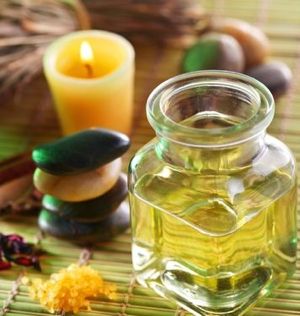
The shelf life of carrier oils (also called base oils) vary depending on the type of oil. Most can go rancid, some faster than others, so it's important to store them in a cool, dark place away from heat and moisture.
Properties of Aromatherapy Carrier Oils
There is no one best carrier oil for essential oils. This list of carrier oils offers a starting point for choosing a carrier. The best oil for you to use when applying essential oils to your skin depends on your skin type, allergies or sensitivities, and personal preferences.
Almond oil (Prunus dulcis) as a carrier is popular in massage oils and other aromatherapy products. Almond oil contains linoleic acid and vitamin E, is good for all skin types, and may help relieve itching and dryness. This oil is likely not for you if you are allergic to almonds.
Apricot kernel oil (Prunus armeniaca) is a light oil that's rich in vitamins A and E and in oleic acid and makes a good substitute for almond oil. This oil has regenerating, toning, nourishing, and softening properties that are particularly useful for dry and mature skin and in eye creams and facial elixirs.
Argan carrier oil is made from the argan tree that grows primarily in Morocco. The oil contains vitamin E, is good for all skin types, and commonly recommended for mature skin.
Avocado oil (Persea americana) is rich in vitamins E and D, beta carotene, and linoleic acid. Avocado oil as a carrier has powerful revitalizing and cell regenerative activity, according to The Aromatherapy Companion. This emollient oil is recommended for dry, mature, fragile, depleted, and postmenopausal skin.
Borage oil (Borago officinalis), black currant seed oil, and evening primrose oil (Oenothera biennis) are high in the fatty acid GLA, which helps keep skin healthy and repair sun damage. These oils are particularly good for dry, sensitive, inflamed, or mature skin, but have a short shelf life and should generally be combined with another carrier oil.
Camellia seed oil is ideal for all types of skin and hair care products, according to The Aromatherapy Beauty Guide. The oil is thick and generally combined with another carrier oil.
Castor oil as a carrier oil is too thick for use in massage oils but works well in making lip balms and other cream products because it creates a protective barrier on the skin. Castor oil is also good for brittle nails and softening rough, dry heels, knees, and elbows and patches of eczema and psoriasis.
Cocoa butter contains vitamin E and other vitamins and minerals and is nourishing and softening. Butters give a thick consistency to lotions, creams, body butters, balms, and salves. Other butters you can use as aromatherapy carrier oils include shea butter and mango butter.
Coconut oil
is high in antioxidants. Virgin (unrefined) or fractionated coconut oil carrier makes a
good massage oil, while refined coconut oil works in soaps and lotions.
This oil is especially good for dry, sensitive, mature, and damaged skin.
Grapeseed oil is a light aromatherapy carrier oil that absorbs quickly and is safe for all skin types, particularly oily and combination skin.
Hazelnut oil (Corylus avellana) has astringent properties and works well for oily or combination skin and helps get rid of blackheads.
Hemp seed oil (Cannabis sativa) is best used in formulations for dry skin, skin inflamed by eczema or psoriasis, and sensitive or aging skin, according to The Aromatherapy Beauty Guide.
Jojoba oil (Simmondsia sinensis) is good for all skin types and especially useful for dry skin, psoriasis, eczema, sunburn, and arthritis. This oil is also good for hair, and it's recommended for making products to prevent hair loss. Another advantage of jojoba is that it doesn't go rancid like most vegetable oils because it's a wax, not an oil.
Kukui nut oil (Aleurites moluccana) is expeller-pressed from the roasted nuts. This penetrating, non-pore-clogging oil is useful for acne, eczema, psoriasis, sunburn, dry or wrinkled skin, and hemorrhoids.
Macadamia nut oil (Macadamia ternifolia) is a light, regenerative oil that's good for most skin types, especially mature and environmentally damaged skin. The oil may help heal minor skin irritations.
Marula oil (Sclerocarya birrea) is best used in blends for sensitive skin, although the oil also works for dry, oily, or combination skin, according to The Aromatherapy Beauty Guide. Read full profile of marula oil.
Meadowfoam oil (Limnanthes alba) is extremely emollient and deeply penetrating but not greasy. The oil is stable and almost odorless and can extend the shelf life of blends. Avoid the filtered cold-pressed version of the oil, as it has a strong odor.
Neem oil (Azadirachta indica) is a thick oil cold-pressed from the plant's seeds. It's suitable for sensitive and allergic skin and helpful in healing a variety of skin disorders. But the oil is typically only used in small amounts in blends due to its scent.
Olive oil as carrier oil promotes a smooth, radiant complexion and helps maintain skin elasticity.
Pomegranate oil (Punica granatum) soothes skin inflammation and supports cellular regeneration, according to The Aromatherapy Companion. The oil is great for prematurely aging or sun-damaged skin.
Rosehip seed oil (Rosa mosqueta) is highly regenerating and healing. Rosehip oil carrier oil is good for most skin types, especially for scarring, stretch marks, wrinkles, and pigmentation spots, and for damaged hair.
Sea buckthorn oil (Hippophae rhamnoides) reduces inflammation and supports skin and wound healing, according to The Aromatherapy Companion. However, the oil's orange color can stain clothing.
Sesame seed oil (Sesamum indicum) is a light oil that's soothing and softening. Highly valued in ayurvedic aromatherapy, sesame oil strengthens the resiliency of the skin's barrier function, according to The Aromatherapy Companion. (Do not use toasted sesame, which has a strong aroma.)
Sunflower oil (use only cold-pressed ones, which are typically organic) moisturizes and softens skin. This oil deeply nourishes all skin types except oily and is useful for acne, bruises, hemorrhoids, and sinusitis.
Tamanu oil (Calophyllum inophyllum) is cold-pressed from the nuts of the tree. The oil has skin-nourishing properties and may help relieve various skin conditions, including eczema, psoriasis, and acne.
Walnut oil has soothing refreshing emollient qualities.
Wheat germ oil (Triticum vulgare) is regenerating and helps relieve inflammation. The oil is good for dry, environmentally challenged, and mature skin and for eczema and psoriasis. Keep this oil refrigerated.
Caution: Do not use mineral oil as a carrier oil for essential oils. Mineral oil is difficult for skin to absorb and clogs pores.
Sources:
- The Essential Guide to Natural Skin Care
- Making Aromatherapy Creams and Lotions
- Organic Body Care Recipes
- Aromatherapy: A Complete Guide to the Healing Art
- The Complete Aromatherapy & Essential Oils Handbook for Everyday Wellness
Additional Resources
The Carrier Oil Palette: Fixed Oils, Butters, Herbal Oils, and CO2 Extracts by Jade Shutes & Sherilyn Siegmund-Roach
Power of the Seed: Your Guide to Oils for Health & Beauty by Susan M. Parker
Carrier Oils for Aromatherapy & Massage by Len Price with Ian Smith & Shirley Price
About the Author

Carol Wiley is a retired massage therapist and freelance writer. She uses her deep interest in aromatherapy and essential oils to research their benefits and uses and bring you summaries and blends with links to more resources.
If you find this site useful, you can show your support by buying through my affiliate links. The site is a labor of love, and I appreciate any income that helps keep it up and running.
Buy essential oils at Aromatics International or Rocky Mountain Oils.
Buy massage supplies at Massage Naturals.
Buy anything at Amazon.
You might like these
Astrology and Essential Oils
Learn how to combine astrology and essential oils to add a dimension to your astrology practice with aromatherapy.
Using an Essential Oil Aphrodisiac To Spice Up Your Love Life
Learn how to use an essential oil aphrodisiac to add some spice to your love life and create aromatherapy romance.
How To Make Essential Oils At Home
Instructions for how to make essential oils at home using a homemade still that produces hydrosol with a few drops of essential oil.



Photo Credit: Volff/123RF Stock Photo
