- Home
- Essential Oil Profiles
- Cardamom Essential Oil
As an affiliate for Bookshop, Amazon, and other programs, I may earn a small commission for products purchased through links. Privacy policy and disclosures.
Cardamom Essential Oil Benefits and Uses in Aromatherapy
Cardamom essential oil benefits include providing wisdom when responsibilities overburden you, according to Aromatherapy for the Soul by aromatherapist Valerie Ann Worwood. The oil also offers support when you need to tap into generosity of spirit to open and expand your heart in being gracious while dealing with others.
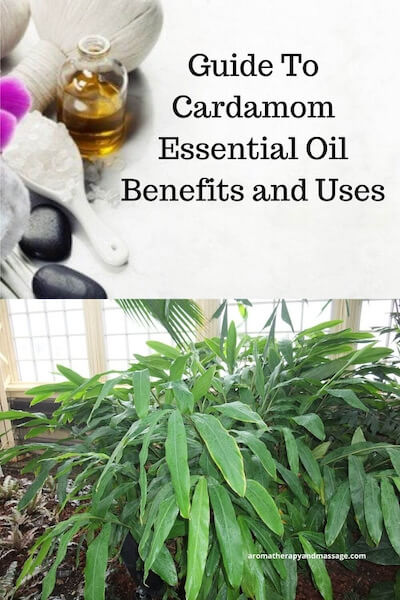
Basic Cardamom Facts
Latin name: Elettaria cardamomum.
Plant family: Zingiberaceae. Other essential oils in this family include ginger, fingerroot, turmeric, plai, and white ginger lily absolute.
Production: Steam distilled from the dried ripe seeds of the perennial cardamom herb. A CO2 extract is also available.
Aroma: Spicy, woody, sweet.
Perfume/Aromatic note: Middle.
Is cardamom safe to use during pregnancy? The oil appears to be safe during pregnancy, according to Jade Shutes' Safety and Essential Oil Therapy. Consult a professional.
Is cardamom essential oil safe for children? The high 1,8-cineole content of cardamom essential oil may cause CNS (central nervous system) and breathing problems in young children, according to Essential Oil Safety, 2nd Ed. Most sources recommend using the oil only with children over age 5.
Cautions: Do not use cardamom on or near the face of infants and young children.
Main components:
- 1,8-cineole 26.5–44.6%
- alpha-terpinyl acetate 29.2–39.7%
- linalyl acetate 0.7–7.7%
- (+)-limonene 1.7–6.0%
Source: Essential Oil Safety, 2nd Ed.
Cardamom Essential Oil Benefits
Cardamom is an invigorating, uplifting, strengthening, and fortifying oil.
Physical Benefits of Cardamom
Physically, cardamom essential oil relaxes hypertonic/tense and warms cold conditions, according to Aromatica: A Clinical Guide to Essential Oil Therapeutics, Vol. 2. As a warming, stimulating oil, cardamom helps relieve cold conditions of the digestive and respiratory tracts and weakness of the nervous system with mental fatigue and depression. The oil also addresses tense conditions, typically involving anxiety and insomnia.
For the digestive system, cardamom relieves stress-induced indigestion with bloating, flatulence, and poor appetite. Other digestive uses sometimes attributed to cardamom include indigestion, flatulence, constipation, IBS, bad breath, colic, stomach cramps, heartburn, nausea, and vomiting.
For the respiratory system, the essential oil may help ease coughs and clear mucus and congestion.
For the nervous system, cardamom essential oil benefits include relieving nervous strain, exhaustion, and mental fatigue. The oil also reduces drowsiness and irritability, helping you concentrate better.
For the musculoskeletal system, the essential oil soothes sore muscles and joints and helps ease muscle cramps, strains, and spasms. The oil may also reduce swelling and pain caused by inflammation.
Essential Oils That Blend Well With Cardamom
Essential Oils: A Comprehensive Handbook for Aromatic Therapy suggests blending cardamom with the following essential oils:
- For digestive support: black pepper, coriander seed, ginger, galangal, cinnamon leaf, clove bud, turmeric, or any of the citrus oils.
- For relief of congestion and breathing problems: bay laurel, frankincense, ginger, pink pepper, plai, rose absolute, or yuzu.
- For fatigue, debility, or anxiety: bergamot, frankincense, rose, rosewood, sandalwood, ylang ylang, or jasmine absolute.
- For musculoskeletal pain and inflammation: black pepper, galangal, ginger, plai, or ylang ylang.
Other Sources
- Essential Oils & Aromatherapy for Dummies
- The Complete Book of Essential Oils and Aromatherapy
- The Encyclopedia of Essential Oils (updated edition)
- The Heart of Aromatherapy
Mental and Emotional Benefits of Cardamom
Psychologically, cardamom promotes self-confidence, courage, emotional stability, and integration, according to Aromatica. Cardamom's emotional benefits are to encourage clarity, concentration, confidence, courage, direction, motivation, enthusiasm, and straightforwardness, according to Aromatherapy for the Soul.
Aromatherapy: A Complete Guide to the Healing Art adds that the scent of cardamom is emotionally invigorating, eases stress and anxiety, and has aphrodisiac properties.
Mentally, the oil reduces mental fatigue, improves thought processes, and offers mental clarity, according to The Essential Guide to Aromatherapy and Vibrational Healing. Emotionally, the essential oil helps you align with the ability to integrate everything happening around you. This digestive oil assists you in digesting life and in realizing you only need keep what nourishes you emotionally and mentally and release what no longer serves your higher good.
Aromatherapeutic Blending suggests the following essential oils to blend with cardamom to help relieve mental fatigue and anxiety: bergamot, frankincense, jasmine, golden champaca, labdanum, rose, sandalwood, or ylang ylang.
Spiritual and Energetic Benefits of Cardamom
Cardamom supports developing and living your spiritual practice and opens you to practical spiritual reality and spiritual transformation, according to Aromatherapy Anointing Oils. In general, the oil promotes emotional warmth, generosity, and graciousness with others. Specific chakra uses:
- Seventh (crown) chakra: helps you embody and live your spiritual belief. Supports a warm connection with spirit.
- Sixth (third eye) chakra: helps uplift and open the conscious mind. Promotes positive thinking and spiritual understanding and wisdom.
- Fifth (throat) chakra: promotes caring, warm verbal communication. Supports sharing spiritual insights and wisdom and also encourages creative expression.
- Fourth (heart) chakra: promotes compassion and strong, yet flexible, love. Helps you teach others from a heart-centered approach. Encourages trust and generosity and supports the ability to nurture.
- Third (solar plexus) chakra: supports confidence, courage, enthusiasm, and motivation.
- Second (sacral) chakra: promotes emotional warmth, spontaneity, passion, sensuality, and cooperation and devotion in relationships. Helps you see the goodness in people, encourages creativity, and helps dispel apathy.
- First (root) chakra: promotes enthusiasm about life and the ability to accept it as it is. Helps you open to abundance.
Mixing Essential Oils for Magic: Cardamom uplifts the mind, supporting concentration, creativity, and divination. The oil increases love and strengthens partnerships and also promotes healing by bringing you into balance.
Cardamom Essential Oil Benefits in TCM and Ayurveda
In Traditional Chinese Medicine, the essential function of the oil is to nourish Heart Blood, regulate the Qi, and harmonize the Shen, according to Aromatica.
- Aroma energy: sweet, pungent.
- Movement: circulating, rising.
- Warmth: neutral to warm.
- Meridian tropism: Heart, Liver, Stomach, Spleen, Lung.
- Five-element affinity: Fire, Earth, Metal.
Aromatherapy for Healing the Spirit: Cardamom stimulates the flow of digestive Qi and helps relieve indigestion, nausea, abdominal distention, colic, hiccups, and flatulence. This uplifting oil can help relieve poor concentration, overthinking, and worry, especially when they are combined with nervous exhaustion.
- The rasa (taste) of cardamom is pungent/sweet, the vipaka (aftertaste) is pungent, and the virya (energy) is heating and moisturizing.
- The oil decreases vata and kapha and increases pitta in excess.
- Tissues most affected by the oil are plasma, blood, marrow, and nerve.
- Indications for this essential oil include colds, coughs, asthma, hoarse voice, loss of taste, poor absorption and indigestion.
- Do not use this oil with ulcers or high pitta.
Cardamom Essential Oil Uses and Blends
Rocky Mountain Oils suggests the following uses for cardamom essential oil:
- Diffuse to inspire concentration and mental clarity or to bring balance and energy.
- Use in a massage oil for a warming effect — 15 drops in 2 tablespoons (1 ounce) carrier oil.
- Add to a warm compress or in a bath for joint aches and pains.
Relieve General Apathy
- 15 drops cardamom essential oil
- 10 drops bergamot essential oil
- 5 drops basil essential oil
Use this blend in your aromatherapy diffuser according to its instructions. Or make a massage oil by diluting in about 1/4 cup carrier oil.
Source: The Fragrant Mind
Joint Care Oil
- 4 tablespoons arnica oil
- 9 drops cardamom
- 9 drops rosemary ct. camphor essential oil
- 9 drops geranium essential oil
- 9 drops peppermint essential oil
Pour the arnica oil into a 2-ounce glass bottle. Add the essential oils. Close bottle and shake gently. Massage a small amount of the blend onto joints as needed.
Source: The Heart of Aromatherapy
Body Oil
- 5 drops cardamom
- 3 drops ylang ylang essential oil
- 2 drops bergamot essential oil
- 2 drops vetiver essential oil
- 2 tablespoons carrier oil
Combine ingredients in a dark glass bottle. Shake and use a little of the blend on damp skin after a shower or bath.
Source: 150 Ways to Use Essential Oils
Digestive Blends
Upset Tummy Inhaler
- 7 drops cardamom
- 5 drops ginger essential oil
- 3 drops peppermint essential oil
Drop essential oils onto the wick of an aromatherapy inhaler. Use as needed.
Adapted from Plant Therapy Essential Oil Recipe Collection.
Digest Ease Oil
Formulated for adults. Do not use with children under age 7 or in the bath.
- 2 tablespoons sesame oil
- 3 drops cardamom essential oil
- 4 drops black pepper essential oil
- 5 drops coriander essential oil
Blend all oils in a 1-ounce glass bottle. Cap and shake to blend.
To use: Rub a dime-sized amount onto the upper chest, abdomen, and mid-back down to the sacrum. Use 2 to 3 times a day.
Source: Shanti Dechen, CCAP, CAI, LMT. "Digest Ease Oil." NAHA Aromatherapy Journal, Spring 2020.1, p. 76.
Cardamom Essential Oil Benefits FAQ
What are cardamom oil benefits for skin care?
What are cardamom oil benefits for skin care?
The skin benefits of cardamom are its stimulating effects and its ability to fight bacteria and fungus. Use the oil for oily and acne-prone skin, dull-looking skin, aging and mature skin, insect bites, and athlete's foot.
You can use a dilution of up to 3% in products that are left on the skin, although the recommended dilution for most products is 1 to 2%.
This essential oil has a very powerful scent so use sparingly. Although cardamom is non-irritating when applied below maximum recommended dilutions, the oil has a tendency to oxidize quickly, which can lead to skin irritation. Keep the oil and products containing it in a cool, dark place.
Source: The Aromatherapy Beauty Guide
Can I use cardamom with dogs and cats?
Can I use cardamom with dogs and cats?
Holistic Aromatherapy for Animals indicates you can use cardamom with dogs, and it's especially useful for digestive problems and bad breath. You must be much more careful with cats.
About the Author

Carol Wiley is a retired massage therapist and freelance writer. She uses her deep interest in aromatherapy and essential oils to research their benefits and uses and bring you summaries and blends with links to more resources.
If you find this site useful, you can show your support by buying through my affiliate links. The site is a labor of love, and I appreciate any income that helps keep it up and running.
Buy essential oils at Aromatics International or Rocky Mountain Oils.
Buy massage supplies at Massage Naturals.
Buy anything at Amazon.
You might like these
Ylang Ylang Essential Oil Benefits and Uses In Aromatherapy
Understand the benefits and uses of ylang ylang essential oil, including acting as an aphrodisiac, balancing all skin and hair types, and relaxing muscles.
Lemon Essential Oil Benefits and Uses In Aromatherapy
The bright, uplifting, clean aroma of lemon essential oil makes it great for energizing, cleaning, clearing the air and the body, and more.
Sage Essential Oil Benefits and Uses In Aromatherapy
Sage essential oil has uses and benefits in aromatherapy but must be used with caution due to its components. Learn more about how to use sage safely.
You might like these
Ylang Ylang Essential Oil Benefits and Uses In Aromatherapy
Understand the benefits and uses of ylang ylang essential oil, including acting as an aphrodisiac, balancing all skin and hair types, and relaxing muscles.
Lemon Essential Oil Benefits and Uses In Aromatherapy
The bright, uplifting, clean aroma of lemon essential oil makes it great for energizing, cleaning, clearing the air and the body, and more.
Sage Essential Oil Benefits and Uses In Aromatherapy
Sage essential oil has uses and benefits in aromatherapy but must be used with caution due to its components. Learn more about how to use sage safely.
Photo Credit: Chhe, Public domain, via Wikimedia Commons
