- Home
- Essential Oil Profiles
- Eucalyptus Essential Oils
- Eucalyptus Globulus and Radiata
As an affiliate for Bookshop, Amazon, and other programs, I may earn a small commission for products purchased through links. Privacy policy and disclosures.
Benefits of Eucalyptus Essential Oil and Uses in Aromatherapy
"Ancient hearts dance to the beat of the eucalyptus," writes aromatherapist Valerie Ann Worwood in Aromatherapy For the Soul. She says the emotional benefits of eucalyptus radiata essential oil are to encourage emotional balance, concentration, centering, and rationality.
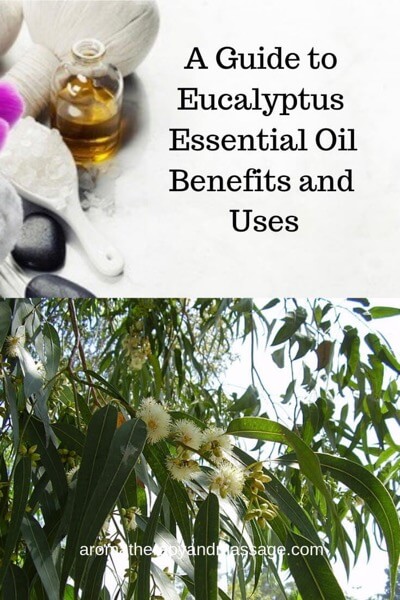
Eucalyptus radiata (also called narrow-leaf eucalyptus) is one of the two common eucalyptus essential oils used in aromatherapy. The other is eucalyptus globulus (also called blue gum). These two essential oils are the focus of this profile because their benefits are practically the same.
The main difference between the two oils is E. radiata typically contains a little less 1,8-cineole and has a softer, more pleasant aroma than E. globulus. Some sources say E. radiata is gentler, but the difference in safety is almost negligible, according to aromatherapy expert Robert Tisserand. For gentler types of eucalyptus essential oil, see E. citriodora and E. dives.
Contents
- Basic Eucalyptus Facts
- Physical Benefits
- Mental and Emotional Benefits
- Spiritual and Energetic Benefits
- TCM and Ayurveda Benefits
- Uses
Also see Eucalyptus Essential Oil Blends.
Basic Eucalyptus Globulus and Radiata Facts
Plant family: Myrtaceae.
Production: Steam distilled from the leaves of the trees.
Aroma: Eucalyptus globulus has a clear, sharp, fresh, and distinctive camphor smell. The scent of eucalyptus radiata is lighter.
Perfume/Aromatic note: Top to Middle.
Is eucalyptus safe to use during pregnancy? Aromatherapy and Massage For Mother and Baby states eucalyptus globulus is safe during pregnancy but not for preconceptual care, labor, or postpartum care. Consult a professional.
Is eucalyptus essential oil safe for children? Do not apply eucalyptus oil to the faces of children under age 10, according to Essential Oil Safety, 2nd Ed., because the high 1,8-cineole (also known as eucalyptol) content may cause
breathing problems in young children.
Cautions: According to some (not all) sources, people with high blood pressure or epilepsy should avoid eucalyptus oil. Some people are sensitive to the smell, and the oil causes their eyes to water.
Main components:
Eucalyptus globulus
- 1,8-cineole 65.4–83.9%
- alpha-pinene 3.7–14.7%
- (+)-limonene 1.8–9.0%
Eucalyptus radiata
- 1,8-cineole 60.4–64.5%
- alpha-terpineol 0–15.2%
- (Z)-piperitol 0.9–14.9%
Source: Essential Oil Safety, 2nd Ed.
Note: Often, E. globulus undergoes rectification, where the oil is redistilled to remove specific components. This is done to increase the 1,8-cineole percentage, but it also decreases other components. Most professionals prefer using oils ("crude" or "authentic") that have not been standardized or rectified, according to Aromatics.
Physical Benefits of Eucalyptus Essential Oil
Eucalyptus globulus and radiata are useful for supporting the respiratory system, clearing mucous and congestion, and helping relieve respiratory problems, such as catarrh, coughs, sinusitis, colds, and flu.
Physically, the benefit of eucalyptus oil is to decongest damp/congestive conditions, according to Aromatica: A Clinical Guide to Essential Oil Therapeutics, Vol. I. The book states E. radiata is more useful for upper respiratory conditions, while E. globulus is best for lower respiratory conditions.
For the skin, eucalyptus can help relieve burns, blisters, cuts, herpes, wounds, and sores. The oil is one of the best for blends to kill head lice and ease insect bites and stings, according to The Complete Aromatherapy and Essential Oils Handbook for Everyday Wellness. This essential oil also acts as an insect repellent.
For muscles and joints, eucalyptus oil helps calm inflammation; promote circulation; and relieve headaches, muscle aches and pain, rheumatism, arthritis, and menstrual cramps. (The Heart of Aromatherapy and The Complete Book of Essential Oils and Aromatherapy)
Mental and Emotional Benefits of Eucalyptus Essential Oil
Psychologically, eucalyptus globulus and radiata stimulate the mind and promote alertness, clarity, perspective, optimism, and self-confidence, according to Aromatica, Vol. I. Uses include apathy, poor motivation, despondency, depression, low self-confidence, emotional confusion and indifference, conflicting feelings, and difficulty grieving.
Mentally, the oil's aroma is useful when you set an intention to release negative or toxic thoughts, according to The Essential Guide to Aromatherapy and Vibrational Healing. Emotionally, the aroma can help you release feelings of agitation and frustration.
Other sources describe the oil as promoting mental motivation, energy, and focus, helping restore emotional balance, and relieving mental exhaustion and fatigue. The Complete Aromatherapy and Essential Oils Handbook for Everyday Wellness describes the oil as a brain cleanser that crystallizes "the mind like a breath of fresh air."
Spiritual and Energetic Benefits of Eucalyptus Essential Oil
Eucalyptus clears and cleanses energy blocks and negative energy and is specially good for the sixth chakra, according to Aromatherapy and Subtle Energy Techniques. Use the oil to cleanse spaces of negative energies.
The Essential Guide to Aromatherapy and Vibrational Healing suggests incorporating eucalyptus essential oil into a meditation or yoga practice to remind you to be mindful of your breath.
Mixing Essential Oils for Magic notes eucalyptus is best known for its purification properties and clearing negativity. The oil supports dream and psychic work and communication with the spirits.
Aromatherapy Anointing Oils offers the most comprehensive information about using eucalyptus essential oil with the chakras. The oil helps clear away unhealthy emotional distress that blocks energy, supports deep breathing, promotes a positive perspective, and helps you prioritize elements of your life for a healthy balance. The oil's specific chakra uses:
- Seventh (crown) chakra: fosters a clear connection with spirit and a sense of awareness.
- Sixth (third eye) chakra: clears the mind and clarifies thoughts. Promotes positive thoughts and the ability to concentrate. Opens the mind to new perspectives. Inspires and awakens imagination. Helps recover memories.
- Fifth (throat) chakra: supports the ability to listen with an open mind.
- Fourth (heart) chakra: nurtures a sense of having room to breathe when feeling disheartened and suffocated by responsibilities. Uplifts a burdened heart.
- Third (solar plexus) chakra: encourages action and a sense of freedom. Helps you set priorities and eases the burden of responsibility.
- Second (sacral) chakra: clears and releases stress related to emotions such as anger and fear. Helps uplift and rejuvenate after emotional burnout.
- First (root) chakra: promotes vitality.
When to use eucalyptus:
- To ease feelings of anger, frustration, or overwhelm
- To release persistent strong negative emotions
- To promote a new or more positive perspective
- To relieve stress associated with too many responsibilities
- For mental clarity or inspiration
- For help to prioritize
- To help you be a better listener
Benefits of Eucalyptus Essential Oil in TCM and Ayurveda
In Traditional Chinese Medicine eucalyptus globulus is a tonic for the Lung-Qi and helps clear Lung-phlegm and enhance breathing, according to Aromatherapy For Healing the Spirit. The oil is an immune tonic that has stimulating, decongesting, and soothing qualities. The aroma dispels melancholy and revives the spirits. The oil's energy is warm and dry, and its main element is metal.
Aromatica, Vol. I, states the essential function of eucalyptus in TCM is to raise the Yang, strengthen the Shen, and expel external pathogens.
- The rasa (taste) of eucalyptus is pungent, the vipaka (aftertaste) is pungent, and the virya (energy) is heating/moisturizing.
- The oil decreases vata and kapha and increases pitta.
- Tissues most affected by the oil are muscle, nerves, respiratory, blood, and plasma.
- Indications for this essential oil include asthma, bronchitis, sinus congestion, fever, rheumatism, neuritis, sore muscles, emotional overload, acne, and dandruff.
Uses for Eucalyptus Essential Oil
Headache and migraine relief: Blend 4 drops eucalyptus oil into two teaspoons (10 ml) of carrier oil. Massage some of the blend onto your temples, the tip of your nose, and your chest. For convenience and portability, you can make this blend in a roller bottle.
For an energizing foot massage oil: Add 12 drops eucalyptus essential oil to 2 tablespoons carrier oil. You can also use a teaspoon of the blend to make a refreshing foot soak.
To freshen stinky shoes: Put 4 to 6 drops of eucalyptus oil onto cotton balls and leave them in the shoes overnight.
Add eucalyptus oil to homemade cleaning products for a naturally fresh aroma.
Prevent mold in the shower: Add 10 drops tea tree essential oil and 10 drops eucalyptus essential oil to a 16-ounce spray bottle and fill with distilled water. After each shower, shake the bottle well and spray the shower (do not rinse) to prevent mold growth.
For more, see Eucalyptus Essential Oil Blends.
About the Author

Carol Wiley is a retired massage therapist and freelance writer. She uses her deep interest in aromatherapy and essential oils to research their benefits and uses and bring you summaries and blends with links to more resources.
If you find this site useful, you can show your support by buying through my affiliate links. The site is a labor of love, and I appreciate any income that helps keep it up and running.
Buy essential oils at Aromatics International or Rocky Mountain Oils.
Buy massage supplies at Massage Naturals.
Buy anything at Amazon.
You might like these
Ylang Ylang Essential Oil Benefits and Uses In Aromatherapy
Understand the benefits and uses of ylang ylang essential oil, including acting as an aphrodisiac, balancing all skin and hair types, and relaxing muscles.
Lemon Essential Oil Benefits and Uses In Aromatherapy
The bright, uplifting, clean aroma of lemon essential oil makes it great for energizing, cleaning, clearing the air and the body, and more.
Sage Essential Oil Benefits and Uses In Aromatherapy
Sage essential oil has uses and benefits in aromatherapy but must be used with caution due to its components. Learn more about how to use sage safely.

Photo Credit: By Joan Simon from Barcelona, España - Eucalyptus globulus, CC BY-SA 2.0, Wikimedia Commons
