- Home
- Essential Oil Profiles
- Lavender Essential Oil
- Skin Care
As an affiliate for Bookshop, Amazon, and other programs, I may earn a small commission for products purchased through links. Privacy policy and disclosures.
Lavender Essential Oil Skin Care Recipes and Blends
Making and using lavender essential oil skin care products, including body or facial creams and lotions, bath blends, lip balm, body butter, and sunburn relief gel or lotion, is common because this oil balances all skin types.
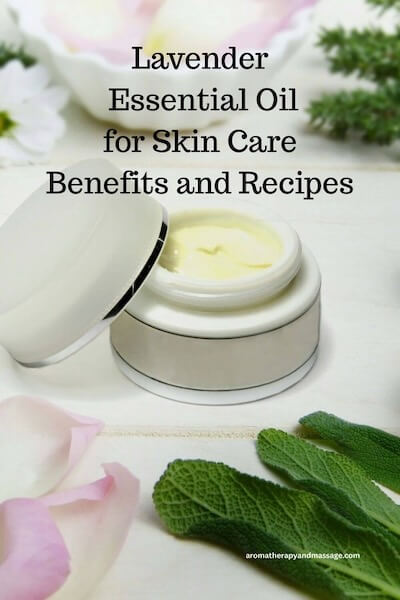
The Complete Aromatherapy & Essential Oils Handbook for Everyday Wellness calls lavender (Lavandula angustifolia) one of the most valuable oils for skin care and skin conditions because the oil's benefits include:
- Stimulates growth of new cells (rejuvenates skin)
- Helps get rid of harmful bacteria
- Prevents scarring
- Eases pain of skin conditions
In addition to daily skin care, the book notes you can use the oil to help heal abscesses, acne and pimples, minor burns and sunburn, skin allergies, athlete's foot, boils, bruises, dermatitis, eczema, inflamed skin, insect bites and stings, psoriasis, scabies, sores, and minor cuts and wounds. You can also include the oil in deodorant to reduce body odor or in insect repellents.
Content
- Skin Safety
- Lavender for Face Care
- Lavender for Hair Care
- Lavender for Body Care
- Lavender in the Bath
- Lavender for Skin Conditions
- Lavender Essential Oil Skin Care FAQ
This article offers a few lavender essential oil skin care blends. You can find more in the sources noted.
Lavender Skin Safety
Although lavender is skin safe for most people, the oil (especially an old or poor quality one) may irritate the skin of some. Patch testing recommended.
How to perform a spot test or skin patch test: Dilute 1 or 2 drops lavender in 1/2 teaspoon carrier oil. Apply a small amount of the blend to your inner forearm. If you do not have an adverse reaction within 24 hours (some sources say 48 hours), the oil is probably safe for you to use. Be aware it's possible to become sensitive over time, so always pay attention to your skin reactions.
Dilution guidelines: For skin application, lavender is typically used at a dilution of 1% to 3%, that is 1 to 3 drops in 1 teaspoon carrier oil. Stronger dilutions might be used for specific situations. Essential oil dilution chart.
Can you use lavender neat? Some sources say it's okay to use one or two drops of lavender essential oil undiluted (neat) on skin, while other sources advise against the practice. Exercise your good judgment in deciding what's right for you. Undiluted essential oil is more likely to irritate skin or cause sensitization. Personally, I sometimes use undiluted lavender but have also found it's usually not necessary.
Do not use lavender oil on broken or irritated skin, as this can increase the risk of irritation.
Lavender Essential Oil for Face Care
The benefits of lavender essential oil for the face include soothing, balancing, and toning the skin.
Lavender Essential Oil and Acne: Although you can use diluted lavender essential oil for acne and pimples, often with good results, you will probably get better results with an acne blend that also contains tea tree oil.
Lavender Cleansing Balm
Use a small amount of this balm to clean your face.
- 5 grams (0.18 ounce) beeswax
- 4 teaspoons (20 ml) almond oil
- 4 teaspoons (20 ml) apricot kernel oil
- 5 drops lavender essential oil
- Using a double boiler over low heat, melt the beeswax.
- Slowly add the carrier oils while stirring.
- Remove from heat.
- Add the essential oil and stir well.
- Pour into a glass jar and let cool.
Adapted from The Complete Book of Essential Oils and Aromatherapy.
Facial Oil
Moisturize and protect your face with a few drops of this face oil.
- 3 teaspoons argan oil
- 1 teaspoon hemp seed oil
- 1 teaspoon grapeseed oil
- 1/4 teaspoon rosehip oil
- 4 drops vitamin E oil
- 10 drops lavender essential oil
- 5 drops carrot seed essential oil
- 2 drops lemon essential oil
- 1-ounce (30 ml) dark dropper bottle
Blend all the oils in a small glass bowl. Pour into the dropper bottle (using a small funnel makes pouring easier). Cap bottle and shake gently. Use within six months.
Source: The Lavender Companion
Lip Balm
- 4 tablespoons jojoba or sweet almond oil
- 1 tablespoon beeswax
- 1 teaspoon honey
- 8 to 9 drops vitamin E oil
- 7 drops lavender essential oil
- 1 teaspoon cocoa powder
- Shadow pan with about one-inch ice water
- Lip balm containers
- Over very low heat or using a double boiler, warm the carrier oil, beeswax, and honey in a small, stainless steel pot or bowl. Stir until beeswax is completely melted.
- Remove from heat and quickly whisk in the vitamin E oil, essential oil, and cocoa powder.
- Place the bottom of the bowl into a shadow pan of ice water and continue whisking quickly as you add the honey.
- Quickly transfer the balm into your lip balm containers. Let set for three hours.
Source: Organic Beauty With Essential Oil
Lavender Essential Oil for Hair Care
Lavender oil benefits all types of hair by balancing and strengthening the hair and supporting hair growth. Using lavender essential oil on the scalp helps relieve scalp irritation and itching.
Quick tip: You can add a few drops to a bottle of unscented natural shampoo.
Lavender oil for hair growth: Dilute 1 to 2 drops lavender in a few drops of jojoba oil. Massage into your scalp. Let rest for at least 10 minutes before shampooing. You will probably get better results with a hair growth blend.
Balancing Lavender Essential Oil Shampoo
- 1/2 cup castile soap
- 8 drops lavender
- 8 drops rosemary essential oil
- 1/2 cup distilled water
Place the castile soap in a bottle. Add the essential oils. Add the water. Cap bottle and shake well. Use like any other shampoo.
Source: 100 Amazing Blends and Uses of Essential Oils
Lavender Essential Oil for Body Care
You can use lavender in many body care products, including body oils and butters, lotions, scrubs, and baths.
Lavender Shea Butter Oil Recipe
Shea butter oil deeply moisturizes and hydrates skin and is especially beneficial for dry or sensitive skin.
- 1 tablespoon shea butter
- 9 tablespoons carrier oil (jojoba, almond, or fractionated coconut oil)
- 1 teaspoon vitamin E oil
- 10 to 12 drops lavender essential oil
- Place shea butter in a double boiler over medium heat and stir until melted. Remove from heat.
- Stir in carrier oil and vitamin E oil.
- Stir in essential oil.
- Mix with a whisk or electric mixer to fully blend the ingredients.
- Let the mixture cool. It should start to solidify slightly but remain mostly liquid.
- Transfer mixture to a clean glass container. Store in a cool, dark place. Best used within 6 to 12 months.
Adapted from Oh Mighty Health
Body Scrub
- 1-1/4 cups sugar of choice
- 1/4 cup grapeseed oil
- 1 tablespoon almond oil
- 1 tablespoon vegetable glycerin
- 1/2 teaspoon vitamin E oil
- 20 drops lavender essential oil
- 2 drops tea tree essential oil (optional)
Add all ingredients to a medium bowl and stir until combined. Transfer to a dark glass container. Store the scrub in a cool, dry place and use within six months.
To use: Massage a handful of the scrub onto wet skin using circular motions. Rinse off with warm water and pat skin dry.
Source: The Lavender Companion
Lavender Hand Scrub
- 1/4 cup coarse salt
- 1/4 cup sugar (brown or white)
- 3 tablespoons coconut oil
- 1/2 teaspoon lavender essential oil
- Combine the salt and sugar in a bowl.
- If necessary, melt the coconut oil. Then combine it with the essential oil.
- Stir the oil mixture into the dry ingredients. Store the scrub in a jar with a tight-fitting lid.
Source: Llewellyn's Complete Book of Essential Oils
Lavender Essential Oil in a Bath
Making a bath with lavender essential oil can be as simple as adding a few drops of essential oil to a little carrier oil or castile soap and stirring the mixture into the water. However, you might prefer a bath blend to enhance the effects of lavender essential oil skin care.
Soothing Bath
- 10 drops lavender
- 5 drops marjoram essential oil
- 5 drops frankincense essential oil
- 1 drop cedarwood essential oil
- 4 ounces (1/2 cup) carrier oil
Combine all ingredients in a dark 4-ounce glass bottle. Cap. Shake gently to blend. Store in a cool, dark place.
To use: Stir 1 tablespoon into a warm bath. Soak for 20 to 30 minutes.
Source: The Big Book of Essential Oil Recipes for Beauty
Relaxing Bath
- 1 teaspoon liquid castile soap
- 5 drops lavender
- 3 drops mandarin essential oil
- 2 drops neroli essential oil
Blend essential oils and soap. Stir into bath.
Source: Nature's Essential Oils: Aromatic Alchemy for Well-Being
Lavender Essential Oil for Skin Conditions
Using lavender essential oil on skin conditions such as inflamed skin, dermatitis, eczema, scabies, sunburn, minor burns, sores, and minor cuts and wounds can be effective but does require some caution. Spot testing any blend strongly recommended.
Eczema Cream
Before using this cream with lavender essential oil for eczema, spot test to make sure it doesn't irritate your condition.
- 1.5 ounces distilled water
- 1 tablespoon lavender flowers
- 2 drams (0.125 ounce or 3.54 grams) beeswax
- 1/2 ounce (1 tablespoon) lanolin
- 1.5 ounces (3 tablespoons) olive oil
- 20 drops lavender essential oil
- Boil the distilled water. Pour it over the lavender flowers. Let steep until cool. Strain.
- Melt the beeswax, lanolin, and olive oil in a double boiler over low heat.
- Add to the oil mixture to the strained water while stirring continuously with a whisk or electric mixer.
- As soon as the cream starts to solidify, add the lavender oil. Continue to stir until the mixture hardens to its final consistency.
Source: The Magic and Power of Lavender
Bug Bite and Sting Relief
You can apply diluted lavender essential oil to mosquito and other bug bites. The following blend (for adults) might offer even better results.
- 1 ounce aloe vera gel
- 8 drops lavender
- 5 drops helichrysum essential oil
- 3 drops german chamomile essential oil
- 2 drops peppermint essential oil
Pour the aloe vera into a 1-ounce (30 ml) PET plastic flip-top bottle. Add the essential oils. Close the bottle. Shake gently before you use. Shelf life is a few weeks.
To make a blend for kids, change the essential oils to 1 drop german chamomile, 2 drops helichrysum, and 3 drops lavender.
Source: Heart of Aromatherapy
Lavender Essential Oil Skin Care FAQ
How can I use lavender essential oil for burns?
How can I use lavender essential oil for burns?
Only use lavender on minor burns. Seek medical attention for more serious burns.
Plant Therapy suggests that for the first application or two, you can use a 10% dilution—10 drops essential oil in 1 teaspoon carrier oil. Over the next few days, reduce the dilution to 5%—5 drops lavender in 1 teaspoon carrier oil until the burn heals.
How can I use lavender essential oil for sunburn?
How can I use lavender essential oil for sunburn?
The Magic and Power of Lavender: Fill bathtub with lukewarm water, not more than 70°F. Add 10 drops lavender and 5 drops peppermint (diluted in a little carrier oil or castile soap). Soak. Afterwards, use a cotton cloth to gently dab diluted lavender oil onto burned areas.
Aloe vera gel also helps heal sunburn. Here's one blend from The Complete Aromatherapy & Essential Oils Handbook for Everyday Wellness:
- 4 teaspoons aloe vera gel or juice
- 1 teaspoon arnica-infused oil (do not use on broken skin) or sea buckthorn oil
- 20 drops lavender essential oil
Combine ingredients in a 1-ounce jar. Mix thoroughly. Apply to sunburned skin with a cotton ball. Stir well before each use.
How can I use lavender essential oil for scars?
How can I use lavender essential oil for scars?
To speed up scar healing, combine a few drops of lavender oil with a carrier oil. Massage the scar with the blend several times a day. You may have more success with a scar tissue essential oil blend.
How can I use lavender essential oil for nail fungus?
How can I use lavender essential oil for nail fungus?
The Magic and Power of Lavender: Place several drops of lavender on a cotton ball and dab onto skin between each toe. Repeat twice a day until the fungus goes away. Change socks after each treatment.
A fungus relief blend may work better than a single essential oil.
Can I use lavender essential oil in soap?
Can I use lavender essential oil in soap?
Yes, lavender is a popular addition to homemade soap. Here are two lavender essential oil blends for soap adapted from Aromachology Oils.
Calming Blend
- 55% lavender essential oil
- 25% frankincense essential oil
- 10% myrrh essential oil
- 10% sandalwood essential oil
Germ Defense
- 70% lavender essential oil
- 25% tea tree essential oil
- 5% thyme linalool essential oil
Can I use lavender essential oil as deodorant?
Can I use lavender essential oil as deodorant?
Lavender has antibacterial properties that make it effective in deodorant. Here's one deodorant recipe:
- 5 tablespoons unrefined organic coconut oil
- 1/4 cup baking soda
- 1/4 cup arrowroot powder or cornstarch
- 10 drops lavender
- 10 drops tea tree essential oil
- 8-ounce glass jar
Blend all ingredients in a small bowl until creamy. Transfer deodorant to a glass jar.
To use: Apply a pea-sized dab to each underarm.
Caution: Baking soda can irritate the skin of some people.
Source: Loving Essential Oils
Can I use lavender essential oil in mosquito and other insect repellent?
Can I use lavender essential oil in mosquito and other insect repellent?
Yes. Here's one blend suggested by The Magic and Power of Lavender:
- 10 drops lavender
- 10 drops geranium essential oil
- 5 drops clove essential oil
- 2 tablespoons jojoba oil
Blend oils in a small bottle. Close and shake gently. Apply to skin as needed, avoiding sensitive areas.
About the Author
Carol Wiley is a retired massage therapist and freelance writer. She uses her deep interest in aromatherapy and essential oils to research their benefits and uses and bring you summaries and blends with links to more resources.
If you find this site useful, you can show your support by buying through my affiliate links. The site is a labor of love, and I appreciate any income that helps keep it up and running.
Buy essential oils at Aromatics International or Rocky Mountain Oils.
Buy massage supplies at Massage Naturals.
Buy anything at Amazon.
You might like these
What is Lavender Essential Oil Good for Around the Home?
Discover what is lavender essential oil good for around the home. Get DIY blends for surface cleaner, tub scrub, dish soap, room spray, and more.
Lavender Essential Oil Spiritual Benefits: Energetic, Subtle, Magical
Dive into lavender essential oil spiritual benefits and the oil's energetic, subtle, and magical uses in aromatherapy.
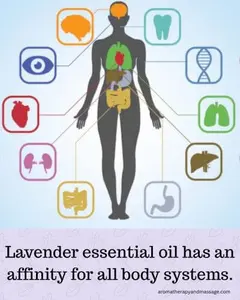
Lavender Essential Oil Health Benefits: Physical, Mental, & Emotional
Discover lavender essential oil health benefits and uses for physical, mental, and emotional well-being. Get simple blends and links to more extensive recipes.