As an affiliate for Bookshop, Amazon, and other programs, I may earn a small commission for products purchased through links. Privacy policy and disclosures.
Essential Oils for Gout Pain Relief
Let's look at using essential oils for gout pain relief.
Gout
is a specific type of arthritis caused by hyperuricemia, a condition
where your body has too much uric acid. Uric acid crystals (monosodium
urate) collect in the body's joints, fluids, and tissues. Pain is your
body’s natural anti-inflammatory response to the crystals.

Although gouty arthritis can occur in any joint, the most common location is the joint at the base of the big toe (metatarsophalangeal joint). The toe usually becomes red, inflamed, sometimes hot to the touch, with mild to excruciating pain.
Essential Oils for Gout Pain
Essential oils that may help relieve gout include angelica, sweet basil, benzoin, carrot seed, celery seed, coriander, juniper, nutmeg, scotch pine, plai, ravensara, rosemary, and thyme, according to The Encyclopedia of Essential Oils (Updated Edition).
Caution: If you have diabetes or another condition that affects the health of your feet, consult your healthcare professional before using essential oils.
Massage Blends for Gout
Here are some blends to help manage the pain of gout. Use your preferred massage blend on affected areas 2 or 3 times a day.
Massage blend 1:
- 4 drops juniper essential oil
- 3 drops rosemary essential oil
- 3 drops lemon essential oil
- 30 ml (2 tablespoons) Trauma oil
Source: Aromasense
Massage blend 2:
- 10 drops lemon essential oil
- 4 drops juniper essential oil
- 2 drops roman chamomile essential oil
- 3 drops tea tree essential oil
- 1 teaspoon carrier oil
Massage blend 3:
- 10 drops geranium essential oil
- 8 drops juniper essential oil
- 5 drops rosemary essential oil
- 3 drops roman chamomile essential oil
- 3 drops tea tree essential oil
- 1 teaspoon carrier oil
Foot Baths for Gout
Bath blend of essential oils for gout:
- 3 drops roman or german chamomile essential oil
- 3 drops lavender essential oil
- 2 drops ginger essential oil
- 2 drops bergamot essential oil
- 1 teaspoon carrier oil
Combine oils and stir into a warm foot bath.
Source: Massage & Aromatherapy: Simple Techniques to Use at Home
Contrast foot soak for gout:
- 5 drops roman chamomile essential oil
- 5 drops cajuput or Fragonia essential oil
- 2 drops peppermint or rosemary essential oil
- 1 teaspoon carrier oil
- Blend the ingredients.
- Fill two basins with water – one warm and one cool.
- Add half the blend to each basin and stir in.
- Soak you feet in the warm water for 10 minutes.
- Soak you feet in the cool water for 10 minutes.
Adapted from The Complete Aromatherapy and Essential Oils Handbook for Everyday Wellness
Gel for Gout Pain Relief
Keep the following blend in the refrigerator and use when you gout becomes inflamed:
- 2 ounces (1/4 cup) aloe vera gel
- 2 teaspoons arnica macerated oil
- 5 drops german chamomile essential oil
- 10 drops lavender essential oil
- 3 drops peppermint essential oil
- 5 drops juniper berry essential oil
- 5 drops roman chamomile essential oil
- Blend the aloe vera gel and arnica oil.
- Blend the essential oils.
- Add the essential oil blend to the gel/oil mix and combine well.
Source: The Complete Book of Essential Oils and Aromatherapy
About the Author
Carol Wiley is a retired massage therapist and freelance writer. She uses her deep interest in aromatherapy and essential oils to research their benefits and uses and bring you summaries and blends with links to more resources.
If you find this site useful, you can show your support by buying through my affiliate links. The site is a labor of love, and I appreciate any income that helps keep it up and running.
Buy essential oils at Aromatics International or Rocky Mountain Oils.
Buy massage supplies at Massage Naturals.
Buy anything at Amazon.
You might like these
Using Essential Oils for Arthritis Pain Relief
Learn how to use aromatherapy and essential oils for arthritis pain relief.
Essential Oils for Back Pain Relief
Understand the power of essential oils for back pain relief. Learn about specific oils, effective blends, and other tips for reducing discomfort naturally.
Essential Oils for Circulation: Improving Blood Flow in the Body
Essential oils for circulation, such as black pepper, cypress, and grapefruit, either create warmth that dilates blood vessels or help move fluid.
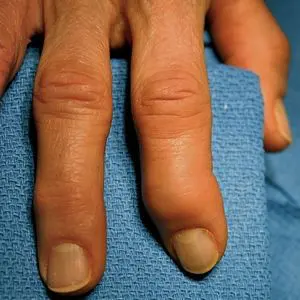


Photo Credit: James Heilman, MD - Own work, CC BY-SA 4.0, via Wikimedia Commons
