- Home
- Essential Oil Profiles
- Anise Essential Oil
As an affiliate for Bookshop, Amazon, and other programs, I may earn a small commission for products purchased through links. Privacy policy and disclosures.
Anise Essential Oil Benefits and Uses in Aromatherapy
The task of anise essential oil (Pimpinella anisum) is "to make the conscious mind aware, even if protesting, that there is a conductor of the universe, and we are all part of the orchestration," writes aromatherapist Valerie Ann Worwood in Aromatherapy for the Soul. She also states anise essential oil benefits for the emotions are to encourage upliftment, stimulation, fearlessness, harmony, and balance and to dispel timidity.
Content
- Basic Anise Facts
- Anise Seed Essential Oil Benefits
- Anise Seed Uses and Blends
- Star Anise Essential Oil Benefits, Uses, and Blends
- Should You Use Anise Seed or Star Anise?
Basic Anise Facts
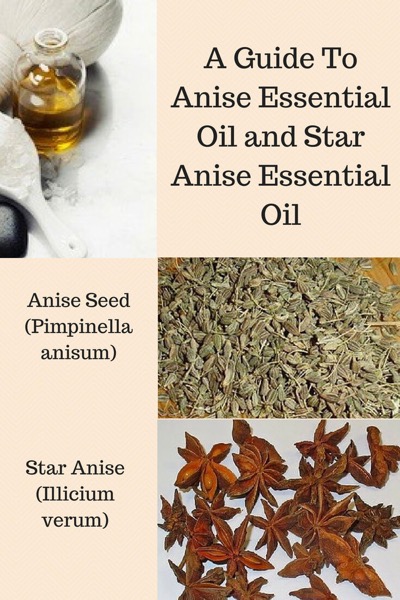
The essential oil of anise (Pimpinella anisum) is also known as anise seed or aniseed.
Another essential oil called star anise (Illicium verum) comes from a different plant. Even though the two oils are from different plants, they have a similar scent and some of the same properties. This profile covers both oils.
Aniseed plant family: Apiaceae.
Star anise plant family: Schisandraceae.
Aniseed production: Steam distilled from the seeds of Pimpinella anisum, which is an annual grassy herb.
Star anise production: Steam distilled from the dried fruit/seeds of Illicium verum, which is an evergreen tree.
Aniseed aroma: Licorice-like, rich, sweet.
Star anise aroma: Sharp and licorice-like.
Perfume/Aromatic note: Top to middle.
Is anise safe to use during pregnancy? No, and do not use while breastfeeding. (Applies to both oils.)
Is anise essential oil safe for children? Do not use either oil with children under age 5, according to Essential Oil Safety, 2nd Ed.
Cautions: Essential Oil Safety recommends not using aniseed or star anise if you have/had an estrogen-dependent cancer or have endometriosis. Advanced Aromatherapy states not to use anise if you have a tumor. These cautions arise because both oils contain anethole, which may have an estrogen-like effect.
Anise may cause skin irritation, especially if the oil becomes oxidized from exposure to heat, light, and air.
Main components:
Aniseed
- (e)-anethole 75.2–96.1%
- (+)-limonene trace–4.9%
- estragole 0.3–4.0%
- anisyl alcohol 0–3.5%
Star Anise
- (e)-anethole 71.2–91.8%
- (+)-limonene 0.7–5.0%
- estragole 0.3–6.6%
- foeniculin 0.5–14.5%
Source: Essential Oil Safety, 2nd Ed.
Anise Seed Essential Oil Benefits
Advanced Aromatherapy: The Science of Essential Oil Therapy: Anise seed calms the nervous system, minimizes overexcitement, and has stabilizing effects after a hangover. The oil may also help bring on missing menstrual periods.
Commonly attributed physical anise essential oil benefits:
- Improves digestion and relieves indigestion, gas, flatulence, intestinal spasm, digestion-related migraines and headaches, and nervous digestive tract conditions
- Relieves colds, coughing, and excessive mucus
- Calms muscle spasms and relieves muscle aches and pains
- Relieves menstrual cramps and reduces menopausal symptoms
The scent is both stimulating and calming, improving emotional balance. The oil helps relieve stress from overwork and reduce forgetfulness and may act as an aphrodisiac and help overcome heartache.
Sources:
- Aromatherapy: A Complete Guide to the Healing Art
- The Complete Book of Essential Oils and Aromatherapy
- The Encyclopedia of Essential Oils (updated edition)
Anise Seed Mental and Spiritual Benefits
Anise helps prevent bad dreams, according to The Essential Guide to Aromatherapy and Vibrational Healing. Put a few drops on a tissue, place it under your pillow, and set the intention to have good dreams. The oil also promotes mental clarity and active listening skills.
Anise is powerful for divination and dreamwork and aids in developing psychic abilities, according to Mixing Essential Oils for Magic. The oil stimulates the mind, heightens awareness, attracts spirits, and connects you with other realms.
Aromatherapy Anointing Oils: Use anise seed to clear and cleanse subtle bodies and perceptions and beliefs that may not be accurate or beneficial. Anise essential oil benefits for the chakras:
- Seventh (crown) chakra: helps clear away thought forms that may prevent you from clearly receiving spiritual information.
- Sixth (third eye) chakra: helps clear away thought forms that may prevent you from clearly receiving intuitive insights.
- Fifth (throat) chakra: promotes effective, clear communication—listening and speaking.
- Second (sacral) chakra: promotes and supports emotional balance.
When to use anise seed:
- During times of mental confusion, especially when inundated with obsessive, negative, or limiting thoughts.
- To help let go of inaccurate spiritual beliefs.
- To change an aspect of your life blocking personal or spiritual growth.
- For intuitive clarity.
Anise Seed in TCM and Ayurveda
Traditional Chinese Medicine considers aniseed warming and drying, according to The Complete Guide to Aromatherapy, Third Edition, Vol. 1. The oil has a strong affinity with the Earth element and can eliminate damp and help disperse cold phlegm. This essential oil strengthens Spleen Qi, making the oil useful for people dealing with overwork, chronic illness, and weak constitution.
- Both the rasa (taste) and vipaka (aftertaste) of anise seed are pungent, and the virya (energy) is heating and moisturizing.
- The oil decreases vata and kapha and increases pitta.
- Tissues most affected by this oil are the lungs, stomach, and small intestine.
- Indications for this essential oil include mucus, hard dry cough, and gas.
Anise Seed Essential Oil Uses and Blends
You can diffuse anise essential oil using an aromatherapy diffuser or make a massage oil by adding 3 to 5 drops of the essential oil to 1 tablespoon of carrier oil.
Winter Forest Diffuser Blend
- 3 drops aniseed essential oil
- 2 drops pine needle essential oil
- 6 drops fir needle essential oil
- 6 drops tangerine or orange essential oil
Source: Source Vital Essential Oil Ebook
Relaxation Diffuser Blend
- 3 drops anise seed essential oil
- 2 drops sweet orange essential oil
- 2 drops lavender essential oil
Use according to your diffuser's instructions.
Tension-Relieving, Calming Massage Oil
- 3 drops anise seed essential oil
- 2 drops lavender essential oil
- 1 drop peppermint essential oil
- 2 tablespoons carrier oil
Source: Stillpoint Aromatics
Star Anise Essential Oil Benefits, Uses, and Blends
The benefits of star anise are similar to those of anise seed. I found little information specific to star anise.
The oil helps relieve muscle aches and pains, coughs, colds, flatulence, indigestion, and digestive cramps, according to The Encyclopedia of Essential Oils (updated edition).
Star anise is instrumental for increasing psychic abilities and supporting clairvoyance, according to Mixing Essential Oils for Magic.
Suggested uses from The Complete Aromatherapy and Essential Oils Handbook for Everyday Wellness:
- For respiratory complaints that include mucus, use an inhalation or massage blend with 0.5% star anise essential oil.
- To ease flatulence or indigestion pain, use a hot compress made with 3 drops star anise.
Uplifting Diffuser Blend
- 3 drops star anise essential oil
- 2 drops lemon essential oil
- 1 drop peppermint essential oil
You can add this same blend to two teaspoons of carrier oil and massage on your abdomen to help calm digestive upset or a queasy stomach.
Source: Plant Therapy
Pain Relief Balm
- 2 tablespoons beeswax pellets
- 4 tablespoons carrier oil
- 7 drops star anise essential oil
- 5 drops lavender essential oil
- 3 drops rosemary essential oil
- In a double boiler, melt the beeswax and carrier oil.
- Remove from heat and let cool slightly.
- Add the essential oils to the mixture. Stir well.
- Pour mixture into a container. Let solidify.
To use: Rub a small amount of the balm on painful areas.
Source: Penny Price
Should You Use Anise Seed or Star Anise?
The choice is mostly a personal preference. However, Stillpoint Aromatics notes the energetics of the two oils are slightly different.
Star anise is both expansive and comforting and effectively helps clear the head so you can see the bigger picture. Use this oil when you want to add the essence of congruence and stability to your blend or when you need the energetics of standing firm.
In contrast, use anise seed when you want to add the essence of softness and a bit of protection to a blend.
About the Author

Carol Wiley is a retired massage therapist and freelance writer. She uses her deep interest in aromatherapy and essential oils to research their benefits and uses and bring you summaries and blends with links to more resources.
If you find this site useful, you can show your support by buying through my affiliate links. The site is a labor of love, and I appreciate any income that helps keep it up and running.
Buy essential oils at Aromatics International or Rocky Mountain Oils.
Buy massage supplies at Massage Naturals.
Buy anything at Amazon.
You might like these
Ylang Ylang Essential Oil Benefits and Uses In Aromatherapy
Understand the benefits and uses of ylang ylang essential oil, including acting as an aphrodisiac, balancing all skin and hair types, and relaxing muscles.
Lemon Essential Oil Benefits and Uses In Aromatherapy
The bright, uplifting, clean aroma of lemon essential oil makes it great for energizing, cleaning, clearing the air and the body, and more.
Sage Essential Oil Benefits and Uses In Aromatherapy
Sage essential oil has uses and benefits in aromatherapy but must be used with caution due to its components. Learn more about how to use sage safely.

Photo Credit: Aniseed [Public domain], via Wikimedia Commons and Star Anise By H. Zell [CC BY-SA 3.0], from Wikimedia Commons
