- Home
- Essential Oil Profiles
- Peppermint Essential Oil
As an affiliate for Bookshop, Amazon, and other programs, I may earn a small commission for products purchased through links. Privacy policy and disclosures.
Benefits of Peppermint Essential Oil and Uses in Aromatherapy
Many of the benefits of peppermint essential oil result from its stimulating, invigorating, and uplifting properties.
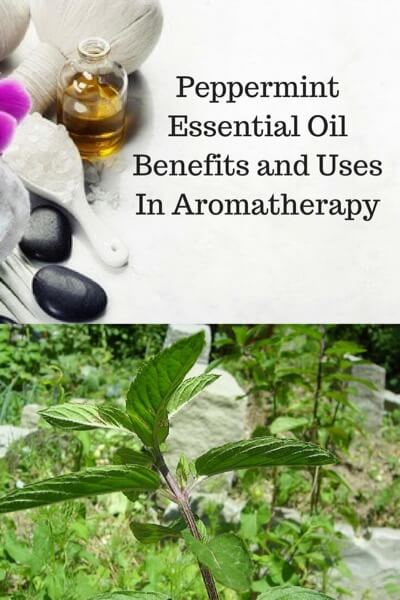
Basic Peppermint Facts
Plant family: Lamiaceae.
Production: Steam distilled from the leaves and stem of the plant, which is a creeping herb.
Aroma: Intense, minty, slightly camphor-like. If peppermint is too strong for you, try using spearmint instead.
Perfume/Aromatic note: Top.
Is peppermint safe to use during pregnancy? Conflicting information is available. Aromatherapy and Massage for Mother and Baby doesn't include peppermint as an oil to use but also does not list it as one to avoid. Aromatherapy expert Robert Tisserand states on his website that peppermint, properly used, is not contraindicated during pregnancy. Consult a professional for your personal needs.
Is peppermint oil safe for children? Do not use on or near the faces of children under age 2, according to Essential Oil Safety. Some sources recommend not using this essential oil with children under the age of 3 to 6 years.
Affinities: Digestive, respiratory, and musculoskeletal systems, according to The Aromatherapy Companion (Shutes).
Cautions: Do not use if you have cardiac fibrillation or G6PD deficiency, according to Essential Oil Safety. Also, the essential oil will irritate the eyes if used close to them. Not compatible with homeopathic remedies.
Main components:
- (–)-menthol 19.0–54.2%
- menthone 8.0–31.6%
- (–)-menthyl acetate 2.1–10.6%
- neomenthol 2.6–10.0%
- 1.8-cineol 2.9–9.7%
Source: Essential Oil Safety, 2nd Ed.
Some disreputable suppliers adulterate peppermint with the cheaper cornmint essential oil or try to pass off cornmint as peppermint. Buy from trusted sources.
Benefits of Peppermint Essential Oil
The uses and benefits of peppermint are extensive, so I've written these separate articles:
This article covers:
- Peppermint Uses in the Home (Cleaning and pest control)
- Peppermint in Traditional Chinese Medicine
- Peppermint in Ayurveda
- Peppermint FAQs
Uses of Peppermint Essential Oil Around the House
The two common uses and benefits of peppermint essential oil in the home are for cleaning and repelling insects.
Cleaning With Peppermint Essential Oil
Using peppermint essential oil for cleaning can help stop bacteria and fungus, deodorize, and create a fresh, clean scent.
Kitchen Floor Cleaner
- 1 gallon water
- 20 drops peppermint essential oil
- 2 tablespoons castile soap
- 1/4 cup baking soda
- 1 cup white vinegar
Pour the water into a clean bucket. Add the other ingredients and mix well. Clean your floor as usual. No need to rinse. Source: Heal With Essential Oil
To clean the refrigerator, mix 10 drops peppermint and 3 tablespoons baking soda into 1/2 cup water.
DIY Scrub
This scrub cuts through soap scum, grime, and buildup on sinks, tubs, and grout. Make in a 1-cup bowl or jar.
- 1/2 cup baking soda
- 2 tablespoons castile soap
- 5 drops peppermint essential oil
- 5 drops lemongrass essential oil
- Mix baking soda and castile soap in a small bowl until a thick paste forms.
- Add essential oils and stir to combine.
- Apply the scrub to surfaces using a sponge or brush, scrubbing in circular motions.
- Rinse thoroughly with warm water and wipe clean.
Source: Aromahead Spring Cleaning
Room Spray
To make a peppermint essential oil spray for room cleansing, add 40 to 60 drops essential oil to 1/2 cup distilled water in a spray bottle. Shake well before each use to thoroughly mix the water and oils. (If you want a spray you don't have to shake, you can also add a dispersant such as Solubol.) Spray into the air, avoiding any delicate fabrics, and without pets in the room.
More cleaning with essential oils.
Peppermint Essential Oil for Bugs and Insects
Peppermint essential oil is said to repel many insects, including ants, centipedes, flies, gnats, lice, mosquitoes, roaches, spiders, ticks, and wasps.
Peppermint may also deter rats and mice. However, using peppermint oil for rodents and bugs is more likely to work for keeping new ones out than for getting rid of ones already in your home.
Peppermint Essential Oil Insect Repellent
- 1/2 cup distilled water
- 20 drops peppermint essential oil
- 15 drops eucalyptus essential oil
- One 4-ounce glass or PET plastic spray bottle
Add the water to the spray bottle. Add the essential oils. Cap. Shake well to mix.
To use: Spray surfaces and nooks and crannies liberally. Wipe with a clean towel until damp. Use every day until pests have subsided.
Source: Essential Living
Essential Oils & Aromatherapy for Dummies offers a slightly different peppermint essential oil bug spray:
- 1/4 teaspoon peppermint oil
- 1/2 teaspoon eucalyptus oil
- 1/4 teaspoon lemon oil
- 4 ounces vinegar
Blend all ingredients in a spray bottle. Shake well before each use, and spray where bugs tend to enter the house.
For a peppermint essential oil ant repellent, another option is to cut a sponge into small squares. Place a few drops of peppermint oil on each square and place the squares in the corners of cupboards or places where ants enter. Add more oil once a week.
Peppermint in Traditional Chinese Medicine
Aromatherapy for Healing the Spirit: Traditional Chinese Medicine views peppermint oil as energetically cool and dry. It circulates Qi-energy, clears hot phlegm, and stimulates the nerves and brain. The oil is useful for colds and flu involving strong fever, sore throat, and headache. Peppermint stimulates the flow of Qi-energy in the Stomach and intestines, making this essential oil one of the best for the digestive system.
This oil acts directly on the intellect (Yi) and on the Earth element. Peppermint facilitates the digestion of new ideas and enhances receptive capacities on both mental and spiritual levels, making it beneficial for those in need of inspiration and insight.
Aromatica offers the following TCM characteristics:
- Movement: rising, circulating
- Warmth: neutral
- Meridian tropism: spleen, stomach, gallbladder, bladder, lungs
- Five element affinity: wood, earth
- Essential function: to activate the Qi, raise the Yang, and strengthen the Shen.
See pages 293–294 for more details.
Essential Oil of Peppermint in Ayurveda
- The rasa (taste) of peppermint is pungent, the vipaka (aftertaste) is pungent, and the virya (energy) is cooling and moisturizing. (Marma Points of Ayurveda describes the rasa as sweet, pungent, astringent and the vipaka as sweet.)
- The oil decreases pitta and kapha and has no effect on vata. (Marma Points of Ayurveda states the oil balances all three doshas.)
- Tissues most affected by the oil are plasma, blood, marrow, nerves, gums, gastrointestinal, and skin.
- Indications for this essential oil include colds, fever, sore throat, laryngitis, earache, digestive upset, nervous agitation, headache, painful menstruation, and asthma.
Benefits of Peppermint Essential Oil FAQ
Do studies support the benefits of peppermint oil?
Do studies support the benefits of peppermint oil?
Yes. For the most concise summary of research up to 2018, see pages 474–478 of The Complete Guide to Aromatherapy, Third Edition, Volume I.
Is peppermint oil cooling or warming?
Is peppermint oil cooling or warming?
Both! The menthol in peppermint activates the TRPM8 receptor, which registers cold temperature, meaning the oil feels cold on the skin. Although the skin’s temperature does not change, the body reacts as if it were sensing cold and rushes blood to the area to warm it.
More details: https://tisserandinstitute.org/dilution-essential-oils/ and https://aroma-essences.com/essential-oils/peppermint-essential-oil-guide.
Can I use peppermint essential oil for dogs and cats?
Can I use peppermint essential oil for dogs and cats?
The oil is safe, properly used, for dogs, according to Holistic Aromatherapy for Animals. Read more about aromatherapy for dogs. For cats, you must be much more careful, and some sources recommend avoiding peppermint. Read about essential oils and cats.
Can I use peppermint essential oil for plants?
Can I use peppermint essential oil for plants?
Before using a peppermint spray on all your plants, spot test to make sure they don’t react negatively.
To keep bugs off your plants, fill a 16-ounce glass spray bottle with water. Add 10 to 15 drops peppermint essential oil. Cap and shake. The Novice Homestead recommends spraying plants once a week. Overdoing it might harm the plants.
If your plants already have bugs, also add 1 tablespoon dishwashing liquid soap (not dishwasher detergent) to your spray.
About the Author

Carol Wiley is a retired massage therapist and freelance writer. She uses her deep interest in aromatherapy and essential oils to research their benefits and uses and bring you summaries and blends with links to more resources.
If you find this site useful, you can show your support by buying through my affiliate links. The site is a labor of love, and I appreciate any income that helps keep it up and running.
Buy essential oils at Aromatics International or Rocky Mountain Oils.
Buy massage supplies at Massage Naturals.
Buy anything at Amazon.
You might like these
Ylang Ylang Essential Oil Benefits and Uses In Aromatherapy
Understand the benefits and uses of ylang ylang essential oil, including acting as an aphrodisiac, balancing all skin and hair types, and relaxing muscles.
Lemon Essential Oil Benefits and Uses In Aromatherapy
The bright, uplifting, clean aroma of lemon essential oil makes it great for energizing, cleaning, clearing the air and the body, and more.
Sage Essential Oil Benefits and Uses In Aromatherapy
Sage essential oil has uses and benefits in aromatherapy but must be used with caution due to its components. Learn more about how to use sage safely.
Photo Credit: Simon Eugster, CC BY-SA 3.0 via Wikimedia Commons
