- Home
- Essential Oil Profiles
- Bergamot Essential Oil
As an affiliate for Bookshop, Amazon, and other programs, I may earn a small commission for products purchased through links. Privacy policy and disclosures.
Benefits of Bergamot Essential Oil and Uses in Aromatherapy
"Bergamot lightens the shadows of the mind, bringing illumination and laughter," writes aromatherapist Valerie Ann Worwood in Aromatherapy for the Soul. Worwood goes on to say the emotional benefits of bergamot essential oil (Citrus bergamia) include encouraging concentration, confidence, balance, strength, joy, and harmony.
Contents
- Basic Facts
- Physical Benefits
- Skin Benefits
- Emotional and Mental Benefits
- Spiritual/Energetic Benefits
- TCM and Ayurvedic Benefits
- Uses and Recipes
- FAQ
What Is Bergamot Essential Oil?
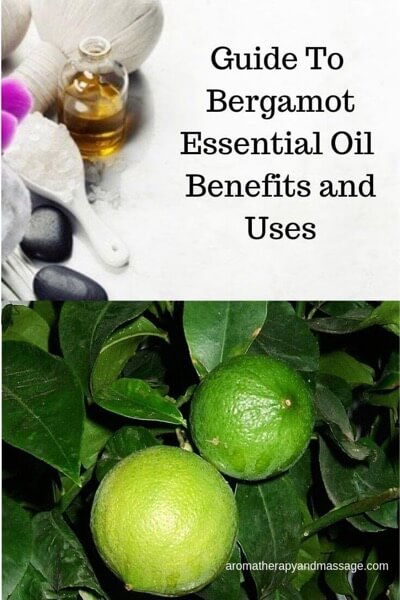
Bergamot is a small, green, inedible citrus fruit belonging to the Rutaceae plant family. The essential oil is cold expressed from the almost-ripe fruit rind.
Aroma: Clean, fresh, citrus.
Perfume/Aromatic note: Top to middle.
Is bergamot safe to use during pregnancy? Yes, according to IFPA Pregnancy Guidelines. Aromatherapy and Massage for Mother and Baby suggests diffusing this essential oil as a room freshener.
Is bergamot essential oil safe for children? Do not use with babies.
System affinity: Digestive, according to The Aromatherapy Companion (Shutes).
Cautions: This essential oil contains bergapten, which is photosensitizing, meaning it makes your skin more sensitive to the sun. However, you can buy bergapten-free bergamot. Look for labels that say bergapten free (BF) or FCF (furanocoumarin free).
If you use an essential oil that's not bergapten free, be sure to avoid UV light exposure (including tanning beds) for at least 12–24 hours after applying the oil to your skin.
Do not confuse bergamot (Citrus bergamia) with the different essential oil bergamot mint (Mentha citrata).
Main components:
- (+)-limonene 28.0–45.0%
- linalyl acetate 18.0–28.0%
- linalool 4.0–20.0%
- bergapten 0.11–0.33%*
*The bergapten-free oil contains 0–0.0091% bergapten. See Essential Oil Safety, 2nd Edition, for a complete list of components.
Benefits of Bergamot Essential Oil
Physical Benefits
Physically, bergamot supports digestion and helps relieve indigestion and related problems such as flatulence, loss of appetite, and bad breath. The oil may be especially useful for digestive upset triggered or aggravated by stress.
This essential oil may also help relieve cold and flu symptoms, fever, and sore throat.
(Sources: The Complete Book of Essential Oils and Aromatherapy, The Encyclopedia of Essential Oils (updated edition), and The Aromatherapy Companion.)
Aromatica: A Clinical Guide to Essential Oil Therapeutics, Vol. I: Physically, bergamot essential oil balances and harmonizes dysregulated conditions. The oil has a selective affinity for the upper gut and the enteric nervous system (the branch of the autonomic nervous system that governs the functions of the gastrointestinal tract). This makes bergamot useful for all stress-related disorders involving the upper digestive tract and gallbladder.
Recommended essential oils to blend with bergamot:
- For indigestion, bloating, or flatulence: rosemary or peppermint.
- For stress-related conditions, especially insomnia and anxiety: mandarin.
- For hyperactive stress-related conditions: lavender.
Bergamot Essential Oil Skin Benefits
Bergamot essential oil is beneficial for most skin conditions, including acne, boils, eczema, psoriasis, scabies, skin growths, insect bites, oily complexion, spots, and wounds.
For skin care, using bergapten-free bergamot is highly recommended. If you do use an oil containing bergapten, use a dilution no stronger than 0.4% (2 drops in 5 teaspoons carrier oil), according to Essential Oil Safety, 2nd Ed. or avoid UV light on exposed skin for 24 hours.
Emotional and Mental Benefits of Bergamot Essential Oil
Psychologically, bergamot promotes emotional stability and insight and mildly promotes alertness and optimism, according to Aromatica, Vol. I.
Mentally, the oil helps you let go of preconceived notions, fixed ideas, and ego-driven thoughts and also clears a foggy mind and helps with focus and clarity.
This essential oil has a joyous, refreshing, uplifting, and encouraging quality that is emotionally strengthening. The scent supports balance, concentration, confidence, completeness, joy, motivation, good cheer, harmony, and strength, according to The Fragrant Mind.
Use the oil to counteract anxiety, apathy, bitterness, burnout, depression, despondency, emptiness, exhaustion, grief, helplessness, hopelessness, loneliness, sadness, stress, tension, or emotional imbalances.
Uplifting Anxiety-Relieving Diffuser Blend
- 4 drops bergamot
- 3 drops lavender essential oil
- 1 drop ylang ylang essential oil
Source: Aromahead's Essential Oils for Anxiety
Bergamot Essential Oil Spiritual Benefits
Bergamot brings a sunny, effervescent quality to the spirit through balancing the hypothalamus gland, according to The Blossoming Heart. Use the oil during times of dark reflection to heal and cheer your soul, encouraging yourself to continue to explore your innermost feelings.
Use bergamot during meditation with the intention to align your awareness with angels, spirit guides, and spiritual master teachers, according to The Essential Guide to Aromatherapy and Vibrational Healing.
Bergamot brings in positive and optimistic energy; uplifts, calms, and supports; clears and cleanses; and refreshes the mind and spirit, according to Aromatherapy Anointing Oils, and is especially useful for the heart chakra. Specific chakra uses:
- Seventh (crown) chakra: helps clear the way for a strong connection to the love and compassion of spirit.
- Sixth (third eye) chakra: clears, calms, and refreshes the mind, promotes positive and optimistic thinking, and inspires.
- Fifth (throat) chakra: supports the ability to express love and compassion, both verbally and through the arts. Promotes laughter.
- Fourth (heart) chakra: supports the healing and opening of the heart to let love and joy radiate. Eases and comforts wounds of the heart, especially grief and loneliness. Promotes compassion for others; encourages acceptance, gratitude, and generosity; and helps clear emotional energy blocks.
- Third (solar plexus) chakra: promotes self-love, self-acceptance, and self-esteem.
- Second (sacral) chakra: encourages positivity, truthfulness, faithfulness, and cooperation in relationships. Promotes emotional healing and helps clear, emotional energy blocks such as unbalanced anger, anxiety, fear, and jealousy. Helps relieve emotional burnout and dispel apathy.
- First (root) chakra: promotes contentment with earthly life. Supports love for and connection with your physical body.
When to use:
- Dealing with grief or a heavy heart or feeling overwhelmed with grief, sadness, or loss.
- To feel refreshed and uplifted when in a negative state of mind or earthly life seems too difficult.
- To be more compassionate toward others or more positive in relationships with others.
- Feeling negative about your body or to appreciate the body as an expression of spirit.
Mixing Essential Oils for Magic: Use bergamot for protection and to help let go of toxic emotions, restore peace after a quarrel, and encourage happiness. The oil also helps open awareness for dreamwork.
Bergamot Essential Oil Benefits in TCM and Ayurveda
In Traditional Chinese Medicine bergamot disperses stagnant Qi-energy and harmonizes Liver-Qi, according to Aromatherapy For Healing the Spirit. This essential oil encourages the release of pent-up feelings and helps in the rediscovery of spontaneity and optimism. The oil's energy is cool and dry and its main element is wood.
The essential function of bergamot in TCM is to regulate the Qi and harmonize the Shen, according to Aromatica: Vol. I.
- Movement: circulating.
- Warmth: neutral to warm.
- Meridian tropism: Liver, Spleen, Stomach, Heart.
- Five-element affinity: wood, fire.
- The rasa (taste) of bergamot is sweet, sour, astringent; the vipaka (aftertaste) is pungent; and the virya (energy) is heating and drying.
- The oil decreases vata and kapha and increases pitta.
- This essential oil affects all tissues, and its indications include gingivitis, sore throat, cystitis, vaginal itching, fungus, fever, loss of appetite, colic, flu, emotional imbalance, depression, acne, psoriasis, and eczema.
Bergamot Essential Oil Uses and Recipes
To relieve digestive discomfort, add two or three drops of bergamot essential oil to about one teaspoon of carrier oil. Gently rub the blend onto your abdomen.
Stomach Anxiety Massage Blend
Massage a little of this blend onto your abdomen using clockwise circles around your navel.
- 5 drops bergamot
- 3 drops coriander essential oil
- 2 drops roman chamomile essential oil
- 4 teaspoons carrier oil
Adapted from Tisserand Blog
Massage Blend for Sleep
Use the following massage oil before going to bed. Or you can add 1 teaspoon of the blend to a warm bath.
- 6 drops bergamot
- 5 drops lavender essential oil
- 5 drops sandalwood essential oil
- 2 drops roman chamomile essential oil
- 1 drop frankincense essential oil
- 1 drop rose essential oil (optional)
- 4 tablespoons carrier oil
Source: Essential Oils & Aromatherapy for Dummies
Soothing Bath
Mix 3 drops each of bergamot, marjoram, and lavender essential oils in 1 teaspoon carrier oil. Stir the blend into your bathwater. If desired, also add a half cup each of Epsom salt and baking soda. Source: KG Stiles' Essential Oils and Aromatherapy Library
Nighttime Cold Relief
Add the following oils to a one-ounce glass or PET plastic bottle:
- 2 tablespoons jojoba oil
- 5 drops bergamot essential oil
- 5 drops lemon essential oil
- 3 drops roman chamomile essential oil
Shake gently to mix. Shake gently before each use. Apply to the back of your neck, chest, and feet as needed in evenings and at bedtime.
Source: Essential Living
Positive Mind Blend
Use this blend either in a diffuser or to make a room spray by adding the essential oils to four ounces (1/2 cup) distilled or purified water in a spray mister bottle.
- 4 drops bergamot essential oil
- 4 drops orange essential oil
- 2 drops eucalyptus essential oil
Source: Aromatherapy and Subtle Energy Techniques
Benefits of Bergamot Essential Oil FAQ
Is bergamot safe to use with dogs and cats?
Is bergamot safe to use with dogs and cats?
In Holistic Aromatherapy for Animals, aromatherapist Kristen Lee Bell describes how she uses bergamot in a blend for dogs with dirty ears or ears with bacterial or yeast overgrowth. Using FCF bergamot recommended. For information about cats, see Essential Oils and Cats.
Can I use bergamot in cleaning products?
Can I use bergamot in cleaning products?
Yes, the essential oil helps fight bacteria and gives cleaning blends a fresh scent.
What are some diffuser essential oil recipes with bergamot?
What are some diffuser essential oil recipes with bergamot?
Uplifting Blend
- 3 drops bergamot essential oil
- 2 drops clary sage essential oil
Calming Blend
- 2 drops bergamot essential oil
- 2 drops frankincense essential oil
- 1 drop lavender essential oil
Energizing Blend
- 3 drops bergamot essential oil
- 2 drops rosemary essential oil
Joyful Blend
- 2 drops bergamot essential oil
- 2 drops grapefruit essential oil
- 1 drop ylang ylang essential oil
Source: 100 Amazing Uses for Essential Oils
Bacteria-Fighting Blend
- 4 drops bergamot essential oil
- 4 drops lemon essential oil
- 2 drops tea tree essential oil
Sleep Support Blend
- 3 drops bergamot essential oil
- 3 drops lavender essential oil
- 2 drops neroli essential oil
Source: Aromasense
About the Author
Carol Wiley is a retired massage therapist and freelance writer. She uses her deep interest in aromatherapy and essential oils to research their benefits and uses and bring you summaries and blends with links to more resources.
If you find this site useful, you can show your support by buying through my affiliate links. The site is a labor of love, and I appreciate any income that helps keep it up and running.
Buy essential oils at Aromatics International or Rocky Mountain Oils.
Buy massage supplies at Massage Naturals.
Buy anything at Amazon.
You might like these
Ylang Ylang Essential Oil Benefits and Uses In Aromatherapy
Understand the benefits and uses of ylang ylang essential oil, including acting as an aphrodisiac, balancing all skin and hair types, and relaxing muscles.
Lemon Essential Oil Benefits and Uses In Aromatherapy
The bright, uplifting, clean aroma of lemon essential oil makes it great for energizing, cleaning, clearing the air and the body, and more.
Sage Essential Oil Benefits and Uses In Aromatherapy
Sage essential oil has uses and benefits in aromatherapy but must be used with caution due to its components. Learn more about how to use sage safely.
Photo Credit: By K reger, CC BY-SA 3.0, via Wikimedia Commons
